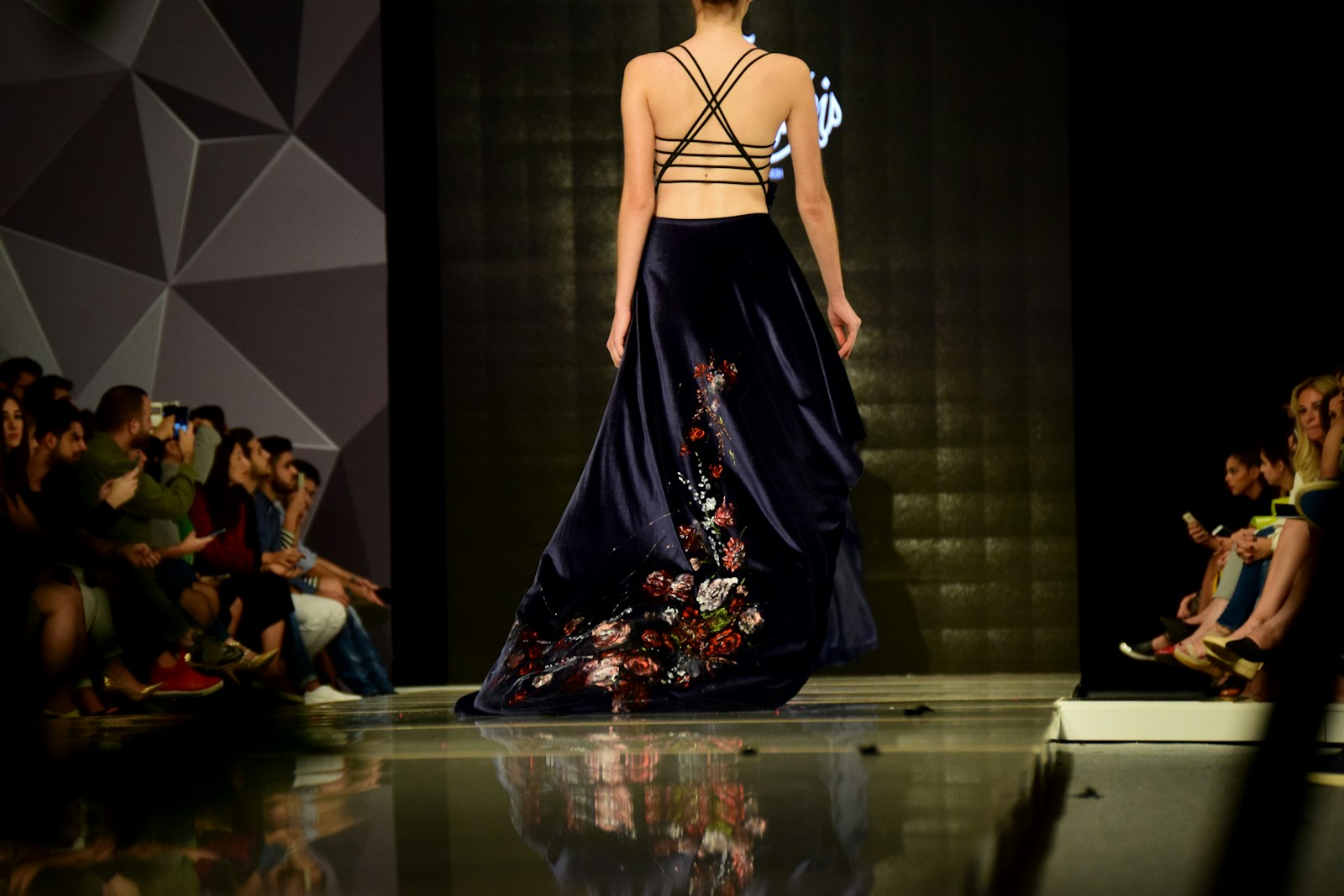
Made in Italy is not the same as made ethically in Italy. A 2023 investigation by the Italian financial police into fashion supply chains found that several luxury houses had outsourced production to Chinese-owned subcontractors in Tuscany operating under working conditions that failed Italian labour law on multiple counts. The “Made in Italy” label was intact; the ethical footprint was not. This matters for anyone buying Italian fashion in 2026 with sustainability in mind, because the country has a parallel layer of genuinely ethical producers operating alongside the opaque mainstream, and distinguishing the two requires more care than a price tag or a country-of-origin stamp can provide.
The guide below covers fifteen Italian ethical fashion brands that I have either visited, corresponded with directly, or assessed through verifiable third-party certification in the last eighteen months. Each entry notes the price range, the certifications held, the material focus, and the credible ethical claims — as well as, where applicable, the limitations. No brand is paying for coverage here.
The certification framework
Before the brands, a brief primer on what the acronyms on their product tags actually mean. GOTS (Global Organic Textile Standard) covers organic cotton, wool, linen, and hemp from field to finished garment, with strict limits on chemical inputs and labour standards. OEKO-TEX Standard 100 certifies that the finished textile contains no harmful chemicals above specific thresholds but does not address labour conditions or organic agriculture. B Corp certification is a third-party assessment of corporate social and environmental performance that applies to the whole company rather than a specific product. SA8000 is an international labour-standard certification focused on worker conditions.
A genuinely strong Italian ethical brand will hold multiple certifications across these categories, typically GOTS on the material side and B Corp or SA8000 on the operational side. A brand that claims “sustainable” without any of these certifications is likely making claims that cannot be independently verified, which is a flag rather than a disqualification but worth noting.
Poethica — Rome
Poethica, founded in Rome in 2019, is a slow-fashion luxury label working with GOTS-certified suppliers and producing more than 90 percent of its garments in Italian workshops. The aesthetic is loose, draped, natural-toned — linen dresses, silk tops, wool knitwear in the 280 to 720 euro range. The company publishes its supplier list and its carbon footprint annually, which remains rare even among ethical brands.
The brand’s limitation is scale. Production runs are small (under a thousand pieces per style per season) and sell out quickly. The Rome flagship on Via del Pellegrino holds a modest stock; the online shop frequently lists pieces as made-to-order with four-to-six-week lead times. For buyers willing to wait, this is among the cleaner entries in Italian ethical fashion.
Par.co Denim — Tuscany
Par.co Denim, based near Prato, produces organic-cotton jeans processed by GOTS-, OEKO-TEX-, and SA8000-certified Italian mills. The supply chain is genuinely short — the cotton is sourced through Turkey and Greece via certified importers, woven in Italy, dyed with lower-impact indigo in Italian mills, and sewn in Tuscan workshops. Jeans price at 140 to 195 euros, which is moderate for the certification stack.
The fit profile is relaxed rather than modern streetwear; buyers looking for a contemporary slim or taper may need to size adjust. Par.co’s commitment to transparency — including a digital passport on each garment detailing its supply chain — is genuinely above market norm for the price.
Artknit Studios — Biella, Piedmont
Artknit Studios, founded in 2014 and based in Biella (the historic Italian knitwear district), is certified as a B Corporation and works exclusively with responsibly sourced natural fibres — organic cotton, extrafine merino wool from Zegna Baruffa mills, cashmere from certified herders in Mongolia. The brand’s model is a hybrid of direct-to-consumer and made-to-order, which reduces overproduction.
Prices range from 95 euros for a cotton t-shirt to 520 euros for a cashmere crewneck. The knitwear is genuinely well-made — I have owned a merino crewneck from Artknit for three winters and it has outperformed comparable items from Zegna and Loro Piana at two and three times the price. This is among the strongest ethical-value propositions in Italian knitwear.
Aramù — Biella, Piedmont
Aramù, founded in 2020 by Elisa Aramu in the Biella region, builds its collection primarily around deadstock fabrics sourced from Italy’s top textile mills — the off-cuts, end-of-roll remainders, and cancelled orders that would otherwise be landfilled. Garments are tailored in limited runs in a single Biellese workshop, with transparency on specific mill names and fabric origins on every product page.
The aesthetic is soft-shouldered, feminine, office-appropriate tailoring — blazers at 420 to 680 euros, trousers around 260 to 340, dresses from 320 to 500. The deadstock model means that fabric combinations are inherently limited and often not restocked, which is the tradeoff for a materially lower-impact production.
HERTH — Emilia-Romagna
HERTH, based in the Emilia-Romagna region, focuses on lifestyle pieces — knitwear, outerwear, some home textiles — produced by local Italian artisans using lower-impact materials including recycled cashmere, organic linen, and responsibly harvested wool. The brand is transparent about its supplier network and publishes detailed material breakdowns on every product page.
Prices are mid-high — around 180 to 420 euros for knitwear, 280 to 720 for outerwear. The direct-to-consumer distribution keeps pricing slightly below comparable Italian ethical brands with retail footprints, though delivery times within Italy average one to two weeks and longer for international orders.
Erendira Italia — Bologna
Erendira Italia, a Bologna-based knitwear brand founded in 2010, produces 100 percent Made in Italy pieces from 100 percent Italian yarns. The supplier chain is short and documented: yarns from Italian spinners (Zegna Baruffa, Lanecardate, Filpucci), knitwear production in Emilia-Romagna workshops.
The brand’s aesthetic is classic rather than trend-driven — fisherman sweaters, cable-knit cardigans, polo-neck merinos. Prices from 140 to 340 euros. Erendira does not hold GOTS certification but does work with OEKO-TEX-certified yarns and discloses its suppliers openly; for a buyer for whom short-supply-chain transparency is more important than formal organic certification, this is a credible option.
Kurinji — Turin
Kurinji, founded in Turin, is a plastic-free slow fashion brand focused on hemp-based accessories and GOTS-certified organic cotton pieces. The brand’s genuinely plastic-free commitment extends to packaging (paper, not polybag), hardware (metal rather than plastic buttons and zippers), and trimmings. Products include bags at 120 to 240 euros, belts around 90 to 150 euros, and a small selection of organic-cotton basics.
The scope is narrower than most brands on this list — Kurinji is accessory-focused — but within that scope, the plastic-free discipline is unusually strict.
Rifò — Prato, Tuscany
Rifò, founded in Prato, makes garments exclusively from regenerated fibres — recycled cashmere, recycled wool, recycled denim — sourced from textile recycling operations in the Prato district, which is historically Italy’s wool-recycling capital. Every piece has a traceable second-life story, and the brand publishes detailed material-origin data.
Price range: 45 to 180 euros for basics, up to 280 euros for knitwear. The aesthetic is casual, minimalist, and genuinely affordable by ethical-brand standards. A Rifò recycled cashmere scarf at 90 euros is among the best value propositions in Italian ethical fashion. The limitation is aesthetic — the brand is not for buyers seeking tailored or formal pieces.
Progetto Quid — Verona
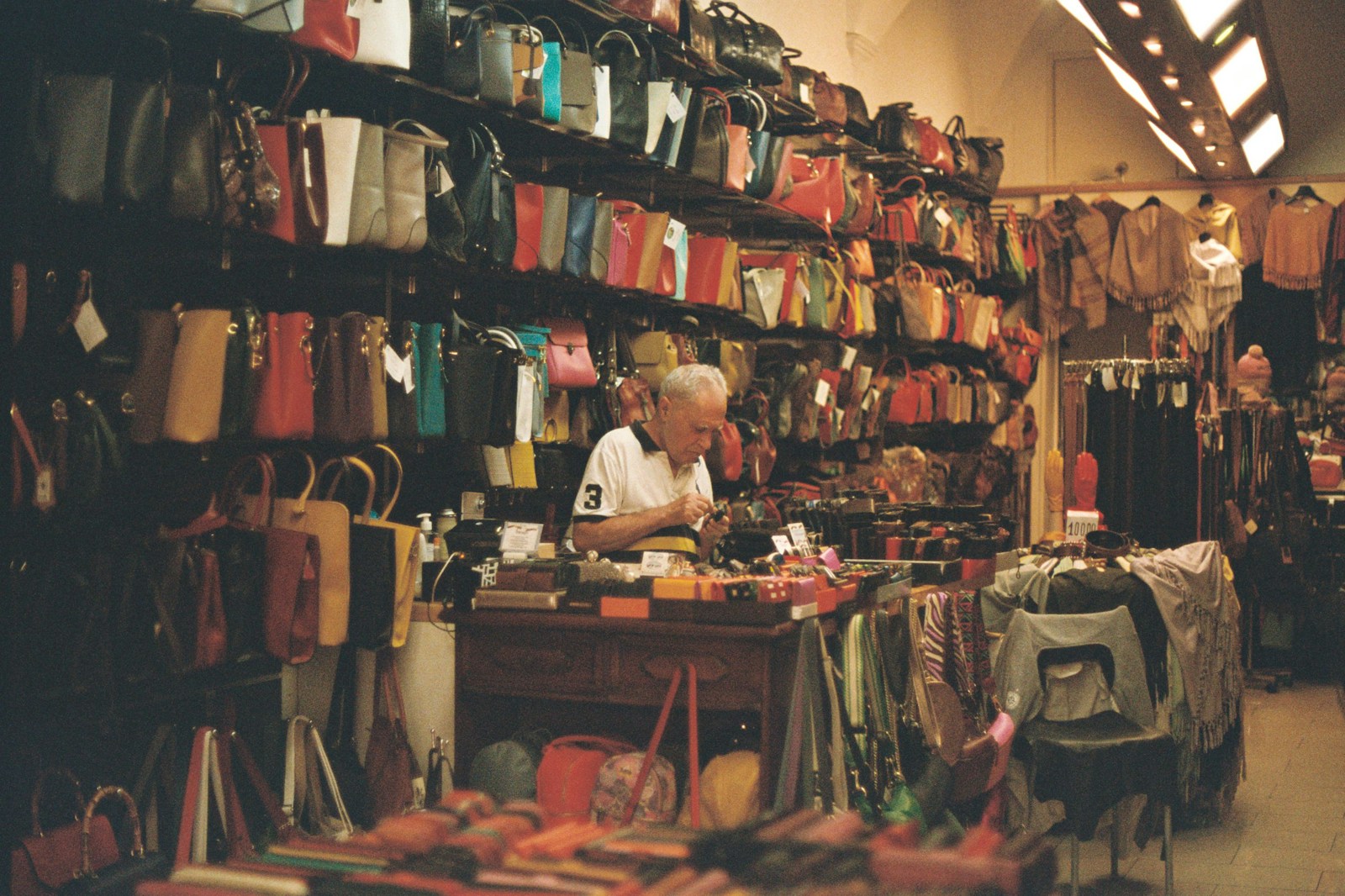
Progetto Quid is an unusual entry: a social enterprise based in Verona that employs women from vulnerable backgrounds — including former refugees, survivors of domestic violence, and formerly incarcerated women — in its garment production workshops. The brand uses surplus fabrics from major Italian fashion houses (under formal partnerships with Calzedonia, OVS, and others), and the social-impact metrics are audited.
Aesthetically, Quid is contemporary and approachable — the pieces will not feel foreign in a mainstream wardrobe. Prices sit at 35 to 180 euros. This is the most accessible entry on the list, and the social-enterprise model is a meaningful alternative to the purely environmental sustainability arguments that dominate ethical fashion discourse.
Zerobarracento — Milan
Zerobarracento, founded in Milan in 2019, is a zero-waste outerwear brand that designs patterns to use 100 percent of the fabric, eliminating cutting waste that typically runs 15 to 20 percent in conventional production. The technical innovation is real; the aesthetic is modern, architectural, slightly avant-garde. Garments price at 340 to 780 euros, which is premium but justifiable for the design discipline.
Materials include Tencel, recycled wool, and organic cotton, mostly from Italian mills. The brand is small and distribution is primarily direct-to-consumer through its Milan showroom and web shop.
Ines Cagnazzi — Milan
Ines Cagnazzi is a Milanese womenswear designer whose small-run atelier produces entirely within Italy using organic linens, wools, and silks. Production volumes are deliberately small — under 500 pieces per style — and the brand sells primarily through her Milan showroom and a handful of specialist boutiques. Prices are high (often 500 to 1,500 euros per piece) reflecting the atelier scale and the fabric quality.
This is the luxury end of the Italian ethical spectrum, closer in positioning to Maison Margiela or Lemaire than to more accessible sustainable brands. The ethical credentials are real but buyers should expect to pay accordingly.
Cavia Cavia — Veneto
Cavia Cavia, a Venetian eyewear brand, produces frames from bio-acetate (a plant-based substitute for conventional cellulose acetate) and stainless steel, in a workshop in the Cadore region that is the historical capital of Italian eyewear. Frames are priced at 190 to 340 euros and are sold through a small network of Italian opticians plus direct online.
The eyewear category is often overlooked in sustainable fashion coverage, but the bio-acetate material difference is real — conventional acetate frames rely on petrochemical plasticisers, while bio-acetate uses plant-derived alternatives that reduce the lifecycle impact. This is a technically sophisticated ethical entry.
Oakloom — Bologna
Oakloom, a Bologna-based men’s and women’s clothing brand, specialises in formal and semi-formal pieces using responsibly sourced Italian wool, linen, and cotton. The supplier list is disclosed and includes specific mill names. Production is in a workshop in the Emilia-Romagna region, with transparent lead times and quantities.
Prices are moderate — shirts at 120 to 180 euros, trousers at 180 to 260, tailored jackets at 380 to 620. The aesthetic is classically Italian tailoring rather than trend-driven streetwear. Oakloom holds OEKO-TEX certification on most of its fabrics but not full GOTS status.
Ren Collective — Milan
Ren Collective, Milan-based, produces basics and layering pieces from deadstock and certified-organic fabrics, primarily in Italian workshops with a minority of production in GOTS-certified Turkish facilities. The brand is transparent about this dual-sourcing model, which is unusual — most brands either emphasise “fully made in Italy” or obscure their outside-Italy production entirely.
Products price at 65 to 280 euros with a strong casual-basics focus. The Turkish production is limited to items where Italian production pricing is prohibitive; the GOTS certification and worker-condition disclosures are credible.
Caralarga — Umbria (small-scale)
Caralarga, an Umbrian atelier producing jewelry and small textile accessories from natural fibres and plant-dyed materials, is a genuinely small-scale operation — annual production under 1,500 pieces. The materials are honest: Italian-grown linen, locally harvested wool, plant dyes including madder and weld. Prices from 60 to 240 euros, sold through a small boutique in Spoleto and direct online.
This is the craft end of Italian ethical fashion, closer to artisanal making than to fashion-industry production. The transparency is complete (the founder can name every supplier), the scale is small, and the aesthetic is intentionally rustic.
A comparison summary
| Brand | Location | Price range | Key certification | Focus |
|---|---|---|---|---|
| Poethica | Rome | 280-720 € | GOTS | Draped luxury basics |
| Par.co Denim | Prato | 140-195 € | GOTS, OEKO-TEX, SA8000 | Organic denim |
| Artknit Studios | Biella | 95-520 € | B Corp | Knitwear |
| Aramù | Biella | 260-680 € | Deadstock transparency | Tailoring |
| HERTH | Emilia-Romagna | 180-720 € | Supplier transparency | Lifestyle |
| Erendira Italia | Bologna | 140-340 € | OEKO-TEX | Classic knitwear |
| Kurinji | Turin | 90-240 € | GOTS, plastic-free | Accessories |
| Rifò | Prato | 45-280 € | Regenerated fibre | Affordable basics |
| Progetto Quid | Verona | 35-180 € | Social enterprise | Affordable casual |
| Zerobarracento | Milan | 340-780 € | Zero-waste pattern | Architectural outerwear |
| Ines Cagnazzi | Milan | 500-1500 € | Atelier-scale | Luxury womenswear |
| Cavia Cavia | Veneto | 190-340 € | Bio-acetate | Eyewear |
| Oakloom | Bologna | 120-620 € | OEKO-TEX | Classic tailoring |
| Ren Collective | Milan | 65-280 € | GOTS, transparency | Basics |
| Caralarga | Umbria | 60-240 € | Craft scale | Artisan accessories |
What to be skeptical of
A few patterns are worth flagging. First, brands that claim “sustainable” without specifying what — which materials, which certifications, which labour standards — are making unverifiable marketing claims. Press them for specifics or assume the claim is thinner than it sounds. Second, Italian luxury houses that outsource their lower-tier production to undisclosed subcontractors should not receive the benefit of the country-of-origin halo; the 2023 Guardia di Finanza investigation documented several cases where this was abused.
Third, “deadstock” and “vintage” claims are increasingly popular marketing positioning that sometimes mask conventional production. A genuinely deadstock-based brand will name the mills whose off-cuts it uses and disclose quantities; vague deadstock language without specifics is suspicious.
Fourth, single-certification claims (e.g., “GOTS cotton”) can mask problems on the labour or dye side. The strongest brands stack certifications across material, labour, and corporate-governance dimensions.
A note on pricing
Italian ethical fashion is not cheap, and the pricing reflects real cost structure rather than opportunistic premium positioning. A GOTS-certified organic cotton t-shirt, sewn in an Italian workshop under Italian labour law, with documented supply-chain transparency, has a minimum viable cost of around 55 euros wholesale. A brand selling it for 85 euros is operating on a modest margin; a brand claiming the same and pricing at 25 euros is almost certainly misrepresenting its supply chain.
This is the structural reality of ethical production: it costs more, because it pays mill workers and sewing workers at Italian rates, buys certified materials at certified prices, and does not exploit the arbitrage that makes fast fashion profitable. Buyers who internalise this arithmetic can evaluate ethical claims more accurately than those who expect sustainable clothing to be cheap.
For readers continuing into the supply-chain dimension, our piece on transparency in fashion and who actually makes your clothes goes further on the production-traceability question, and the slow fashion essay addresses the broader economic logic of buying fewer, better-made pieces.
Pick three brands from this list at different price points, buy one piece from each over the next year, and compare them against equivalent items from the mainstream market. The qualitative difference — in fit, in fabric hand, in wear over time — is the case for ethical purchasing, and it is difficult to absorb from an article rather than from a closet.